Planning your first home renovation comes with plenty of decisions before construction begins. Taking time to organize your ideas, budget, and timeline can help the process move more smoothly and reduce unexpected challenges along the way.
A well-planned home remodel checklist helps you stay organized from the first planning meeting through the final walkthrough, making it easier to prepare for each stage of the project.
Define Your Remodeling Goals and Priorities
Before collecting inspiration or requesting estimates, spend time thinking about what you want your remodel to accomplish. Your goals may include creating more functional living space, updating an outdated layout, improving storage, or preparing your home for long-term needs. Having a clear purpose makes it easier to evaluate ideas and avoid changes that don’t support your priorities.
Next, separate your wish list into “must-haves” and “nice-to-haves.” This simple exercise can make future decisions much easier if adjustments to the budget or project scope become necessary. It also gives your remodeling team a better understanding of what matters most, allowing them to recommend solutions that align with your goals instead of presenting options that may not fit your vision.
Many remodeling projects are also focused on long-term appeal. The goal is a kitchen that feels current today and remains attractive for years to come.
Set a Realistic Budget
A remodeling budget should account for more than finishes and fixtures. Labor, permits, design services, structural work, and material availability can all influence the final investment. Understanding those costs early helps you make informed decisions before construction begins.
Start by establishing a comfortable spending range instead of focusing on a single number. From there, decide where it’s worth investing more and where simpler selections make sense. For example, custom cabinetry or high-performance windows may offer greater long-term value than decorative upgrades that have less impact on how the space functions.
It’s also wise to leave room in your budget for unexpected conditions. Once walls or flooring are opened, older homes can reveal issues such as outdated wiring, plumbing repairs, or water damage that weren’t visible during the initial planning stages. Planning for those possibilities helps keep the project moving if they arise and reduces the likelihood of difficult budget decisions later.
Plan Your Project Timeline
Every remodeling project follows its own schedule, and timelines can vary depending on the size of the renovation, the complexity of the design, permit approvals, and material lead times. Starting the planning process early gives you more flexibility and can help prevent unnecessary delays once construction begins.
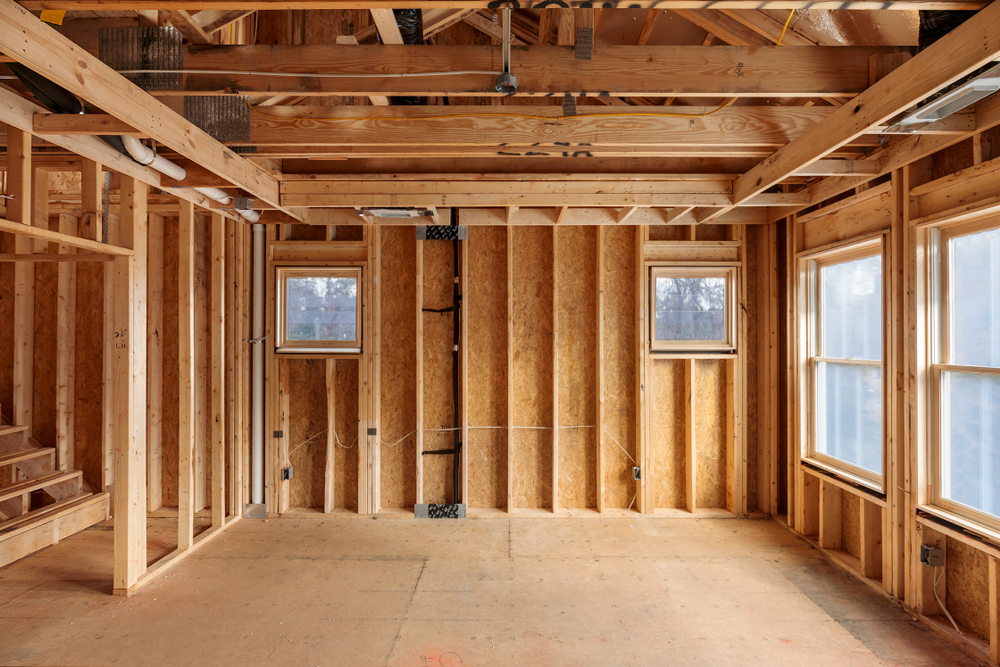
Think about how the remodel fits into your family’s schedule. If you’re renovating a kitchen, you may need a temporary space for meal preparation. A bathroom renovation might require adjustments to your daily routine if it’s your home’s primary bath. Planning around vacations, holidays, or other major events can also make the construction process more manageable.
Keep in mind that even the best-planned projects can encounter unexpected changes. Material availability, inspection schedules, or discoveries made during demolition may affect the timeline. Building some flexibility into your expectations can make those adjustments easier to navigate while keeping the project moving toward completion.

Prepare Your Home and Family for Construction
A little preparation before construction begins can make daily life much easier once work is underway. Talk with your remodeling team about which areas of the home will remain accessible, how workers will enter and exit the property, and where materials and equipment will be stored. Setting expectations early helps everyone stay on the same page.
If the renovation affects a kitchen, bathroom, or another frequently used space, make temporary arrangements before demolition starts. You may need to set up a temporary kitchen, relocate household items, or create alternate spaces for work or school. Protecting valuables, removing fragile decor, and keeping pets away from active work areas can also help the project progress more smoothly while reducing stress for your family.
What to Check Before Project Completion
Before your remodeling project is considered complete, take time to walk through the finished space with your contractor. Test doors, windows, drawers, lighting, plumbing fixtures, and other features to confirm everything operates properly. This is also a good opportunity to ask questions about product care, maintenance, warranties, and any recommended upkeep.
Create a punch list of any remaining touch-ups or adjustments that need attention before the project is finalized. Once those items have been addressed, you can enjoy your newly remodeled space knowing every detail has been reviewed. If you’re ready to begin your own renovation, contact Bradford & Kent to schedule a free consultation and start planning your project.