A whole home remodeling project is an exciting opportunity to completely transform how your house looks, feels, and functions. It can also feel overwhelming if you are not sure what the process involves. Homeowners often wonder where to start, how long it will take, and how to avoid costly surprises along the way.
The good news is that with the right planning and a proven design-build approach, a whole home renovation can be a structured, collaborative, and even enjoyable experience. Below, we will walk you through each phase of the journey so you know exactly what to expect, from the first conversation to life after construction is complete.
Planning and Budgeting for a Whole Home Renovation
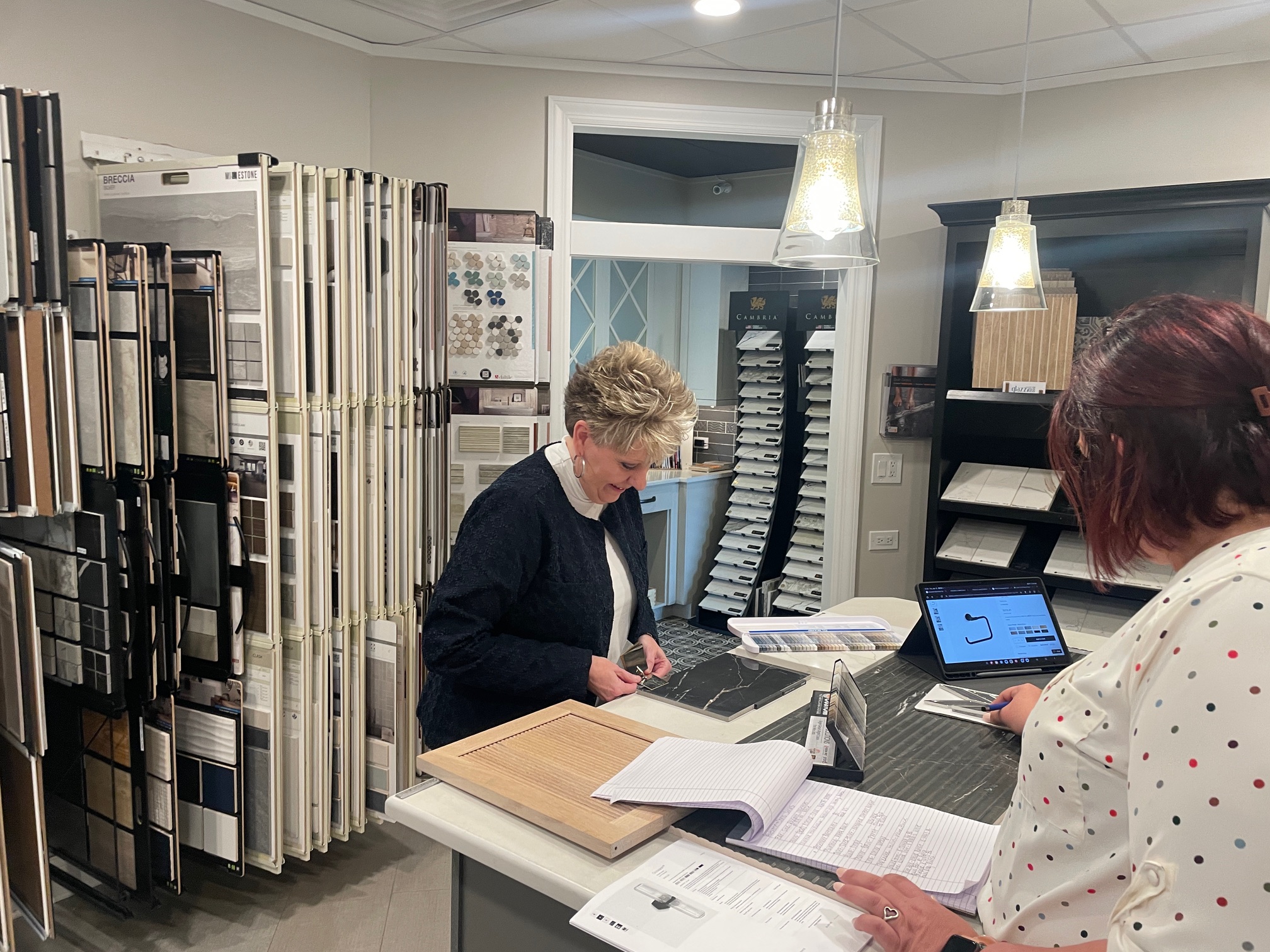
Every successful whole home remodeling project begins with thoughtful planning. This early stage sets expectations, establishes priorities, and helps ensure your investment aligns with your goals.
During an initial in-home consultation, a professional designer evaluates your existing space, takes preliminary measurements, and discusses your vision. This includes understanding how you live in your home, what is not working today, and what you want to achieve through the renovation. Budget and timeline conversations happen early so there is clarity before design work begins.
Rather than guessing or working with rough estimates, a design-build firm helps homeowners understand realistic costs based on scope, materials, and complexity. This proactive budgeting approach reduces uncertainty and helps avoid major changes later in the process. By the time planning is complete, you should feel confident that your project is achievable and well-defined.
How Design-Build Guides the Entire Renovation
One of the biggest advantages of whole home remodeling with a design-build firm is having one coordinated team guiding the entire process. Instead of managing separate designers, architects, engineers, and contractors, everything is handled under one roof.
Design-build creates a seamless flow of communication from concept to construction. Designers collaborate closely with architectural and construction teams, ensuring ideas are both beautiful and buildable. This integration reduces delays, minimizes misunderstandings, and helps keep the project on track.
For homeowners, this means fewer handoffs, clearer accountability, and a smoother overall experience. You always know who to contact, and decisions are made with the full project in mind, not in isolated phases.
Architectural Plans, Engineering, and Permits Explained
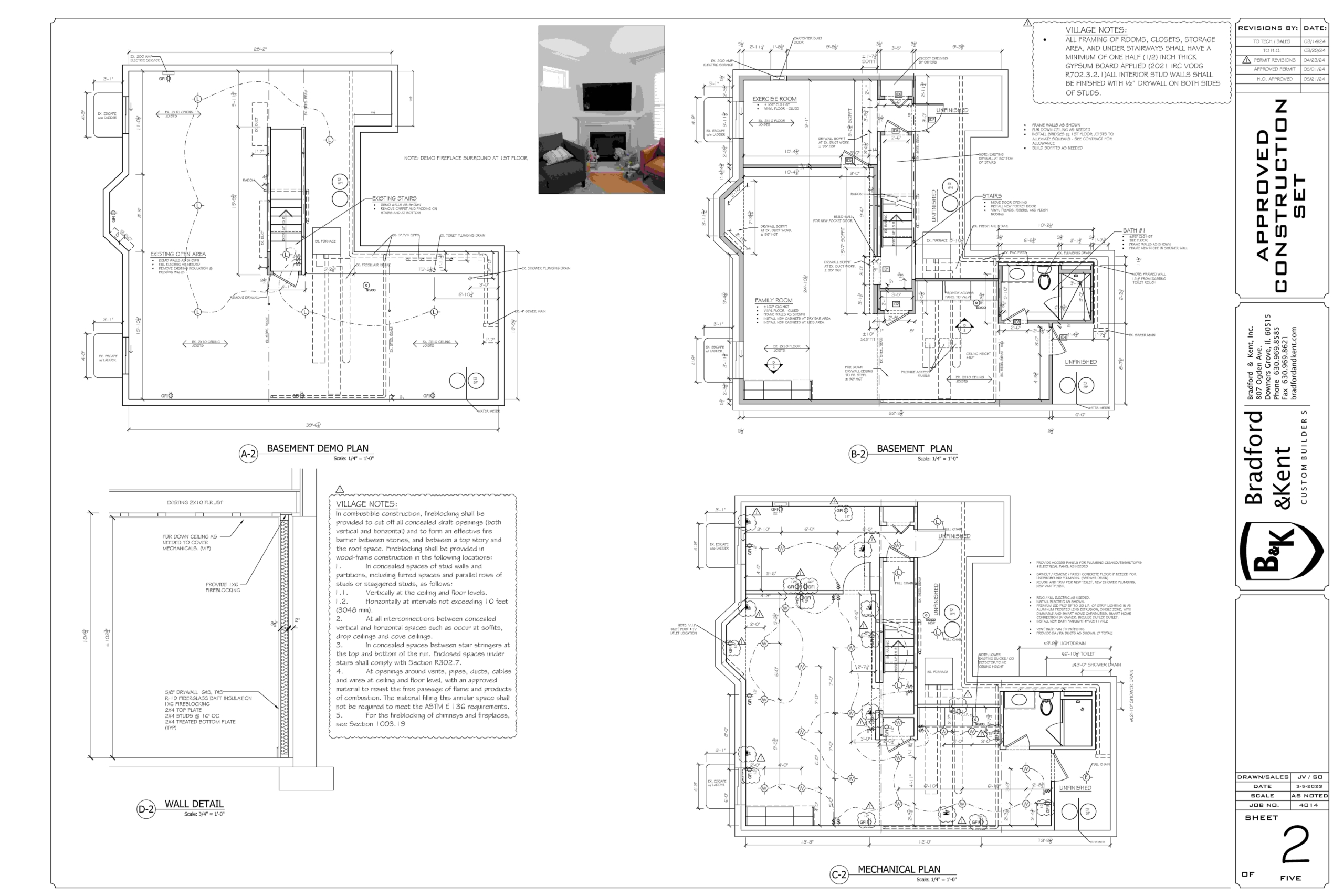
Once the design direction is finalized and a contract is in place, your project moves into architecture and engineering. This phase transforms design concepts into detailed construction drawings that contractors can build from.
The architecture and engineering team re-measures the home, refines layouts, and ensures structural, mechanical, and code requirements are met. These plans are critical for accuracy, safety, and long-term performance.
Permits are also handled during this stage. Navigating local regulations can be complex, but a design-build firm manages the process on your behalf by submitting plans and coordinating with local authorities. By the time construction begins, everything is properly approved, reducing the risk of delays or compliance issues.
Making Product and Finish Selections With Confidence
Selecting finishes is one of the most exciting parts of a whole home renovation, but it can also be one of the most overwhelming. Flooring, cabinetry, countertops, fixtures, hardware, and colors all need to work together cohesively.
With guidance from a designer and a dedicated selection coordinator, homeowners make these decisions in a structured, supportive environment. Seeing materials in person, comparing options side by side, and understanding how choices impact both aesthetics and budget helps eliminate second-guessing.
Selections are made while architectural plans are being finalized, which keeps the project moving forward efficiently. By the time construction begins, all major products are chosen and ordered, reducing delays and last-minute decisions.
What Happens During Construction and Project Management
Construction is where the transformation truly begins. At this stage, homeowners are assigned a dedicated construction manager who oversees the day-to-day work and acts as your primary point of contact.
The construction manager coordinates trades, manages schedules, and ensures work is completed according to plans. Regular communication keeps you informed about progress, upcoming milestones, and any necessary adjustments. A professional team also prioritizes maintaining a clean, safe, and organized job site throughout the renovation.
Because planning, design, and selections were handled upfront, construction tends to move more smoothly. While renovations always involve some disruption, proactive management helps minimize stress and keeps expectations clear.
Final Walkthrough, Completion, and Life After Renovation
As construction wraps up, your project enters the final phase. A walkthrough allows you and your team to review the completed work, address any final details, and ensure everything meets expectations.
Once complete, you will experience your home in an entirely new way. Spaces flow better, function more efficiently, and reflect your personal style. A successful whole home remodeling project does not just improve how your house looks. It enhances how you live in it every day.
With a clear process, experienced guidance, and a design-build approach, homeowners can feel informed and prepared at every step. When done right, a whole home renovation is not just a construction project. It is a carefully managed journey that results in a home built for the way you live now and in the future.
At Bradford & Kent, our goal is to make that journey as clear, collaborative, and rewarding as possible.