When designing a high-end kitchen, bathroom, or living space, material selection is never just about appearance. It is about performance, longevity, and how well each element supports the way you live. One of the most common comparisons we walk homeowners through is porcelain vs ceramic tile.
At first glance, the two can look nearly identical. In reality, they offer very different benefits depending on the application. Understanding those differences is key to making a choice that not only looks beautiful today but continues to perform for years to come.
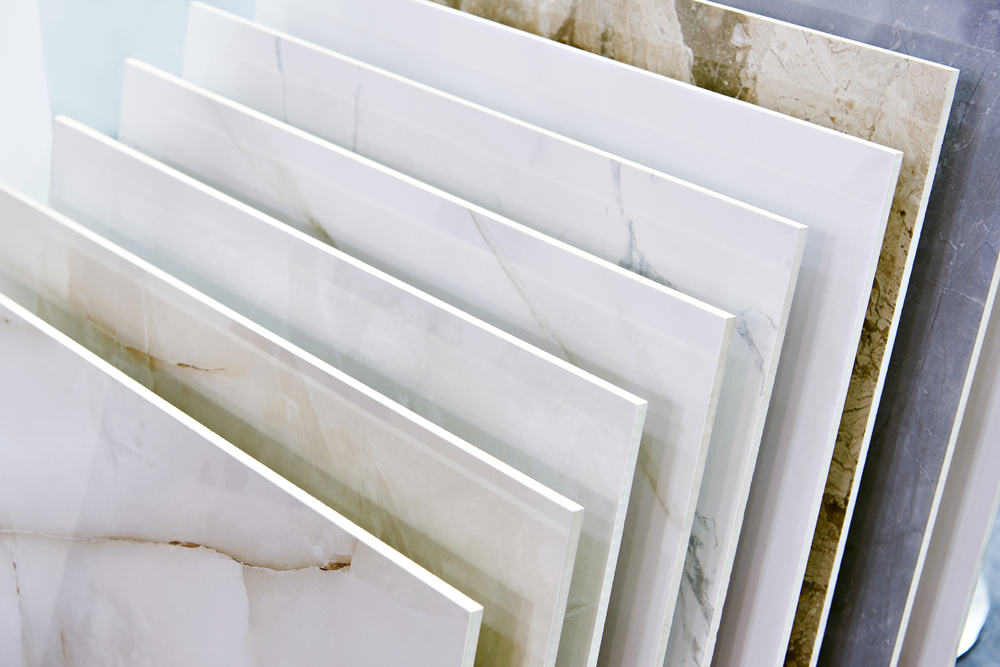
Key Differences Between Porcelain and Ceramic
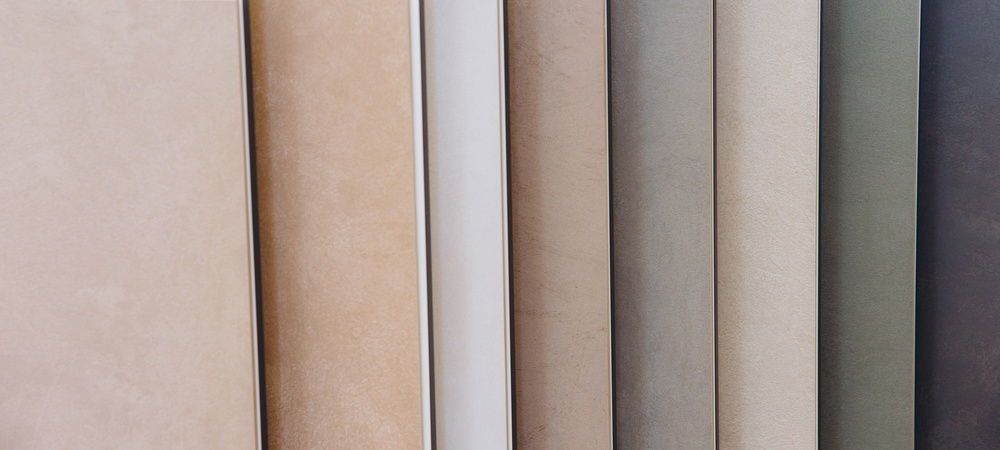
Both porcelain and ceramic tile are crafted from natural clay and fired in a kiln, but the composition and process create distinct results.
Porcelain is made from a more refined clay and fired at significantly higher temperatures. This produces a tile that is denser, less porous, and exceptionally strong. Ceramic tile is fired at lower temperatures and is slightly more porous, which makes it easier to cut and install but less robust overall.
In a refined home environment, these differences matter. Porcelain offers a level of resilience and consistency that aligns well with spaces designed for long-term use and daily wear. Ceramic remains a practical and attractive option, particularly in areas where performance demands are lower.
Comparing Durability and Long-Term Performance
Durability often becomes the deciding factor, especially in homes where materials are expected to maintain their integrity over time.
Porcelain tile is highly resistant to scratches, chips, and heavy foot traffic. It performs exceptionally well in kitchens, main living areas, and entryways where constant use is expected. Its density also makes it less susceptible to cracking, even with temperature fluctuations.
Ceramic tile provides reliable performance in lighter-use areas, such as guest bathrooms or decorative wall applications. While it can certainly last for many years, it does not offer the same level of resilience under sustained wear.
For homeowners investing in a long-term renovation, porcelain often aligns better with the expectation of lasting quality and reduced maintenance.
Design Options and Style Differences Explained
Aesthetics play a central role in any design decision, and both porcelain and ceramic tile offer a wide range of visual options.
Porcelain has advanced significantly in recent years. It can replicate natural stone, hardwood, and marble with remarkable realism. Many porcelain tiles feature color and pattern that extend through the body of the tile, which helps preserve their appearance even with years of use.
Ceramic tile is typically finished with a surface glaze, offering a broad selection of colors and patterns. It is especially well suited for vertical applications where visual impact is more important than structural performance.
In our design center, clients often find that seeing full-scale samples changes their perspective. Subtle differences in texture, finish, and depth become much more apparent when viewed in person and within the context of a complete design.
Water Resistance and Ideal Room Applications
Moisture resistance is an essential consideration, particularly in kitchens, bathrooms, and lower-level spaces.
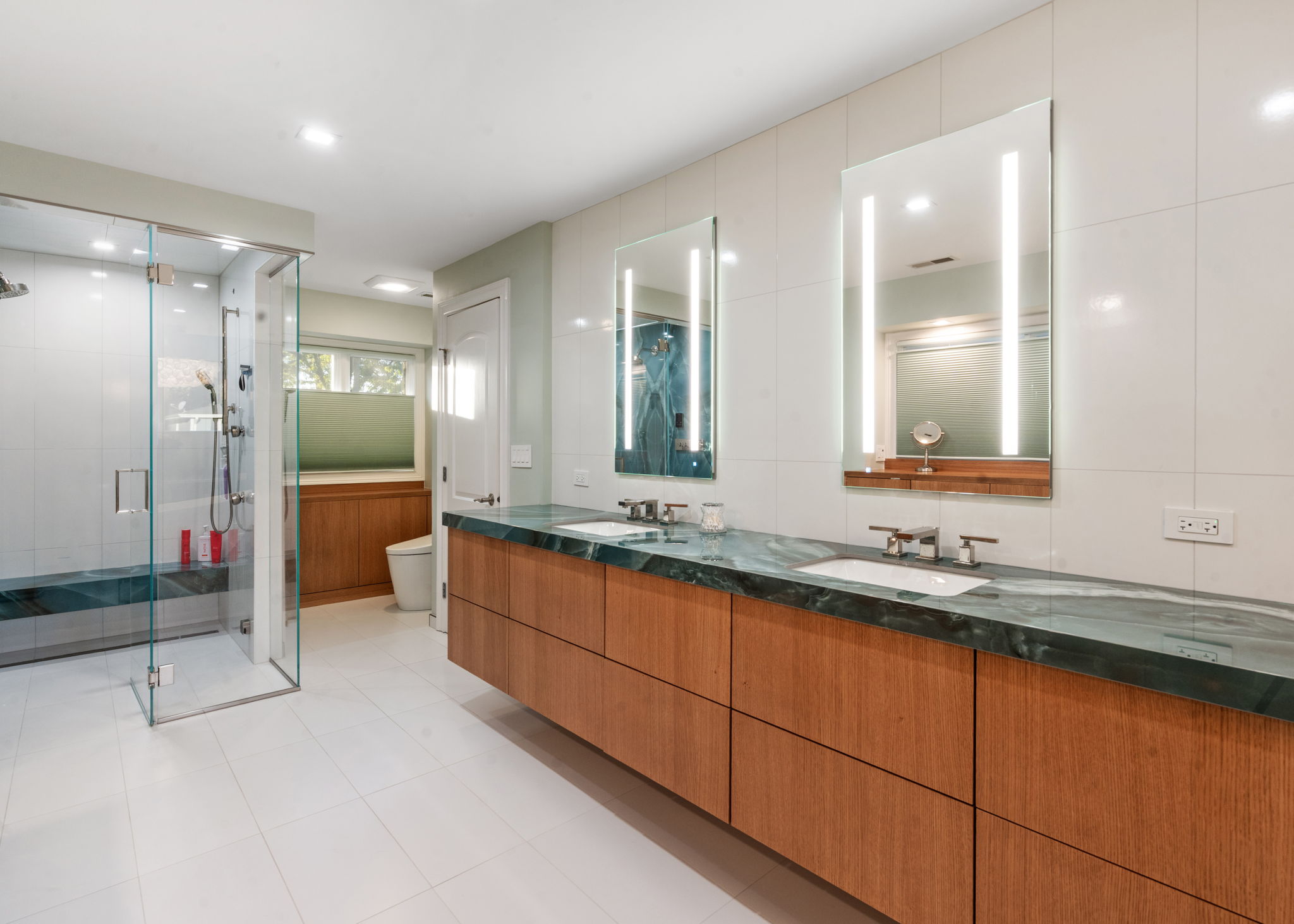
Porcelain tile is nearly impervious to water. Its low absorption rate makes it ideal for showers, bathroom floors, laundry rooms, and even outdoor installations. It provides a level of confidence that is especially valuable in primary living spaces where performance cannot be compromised.
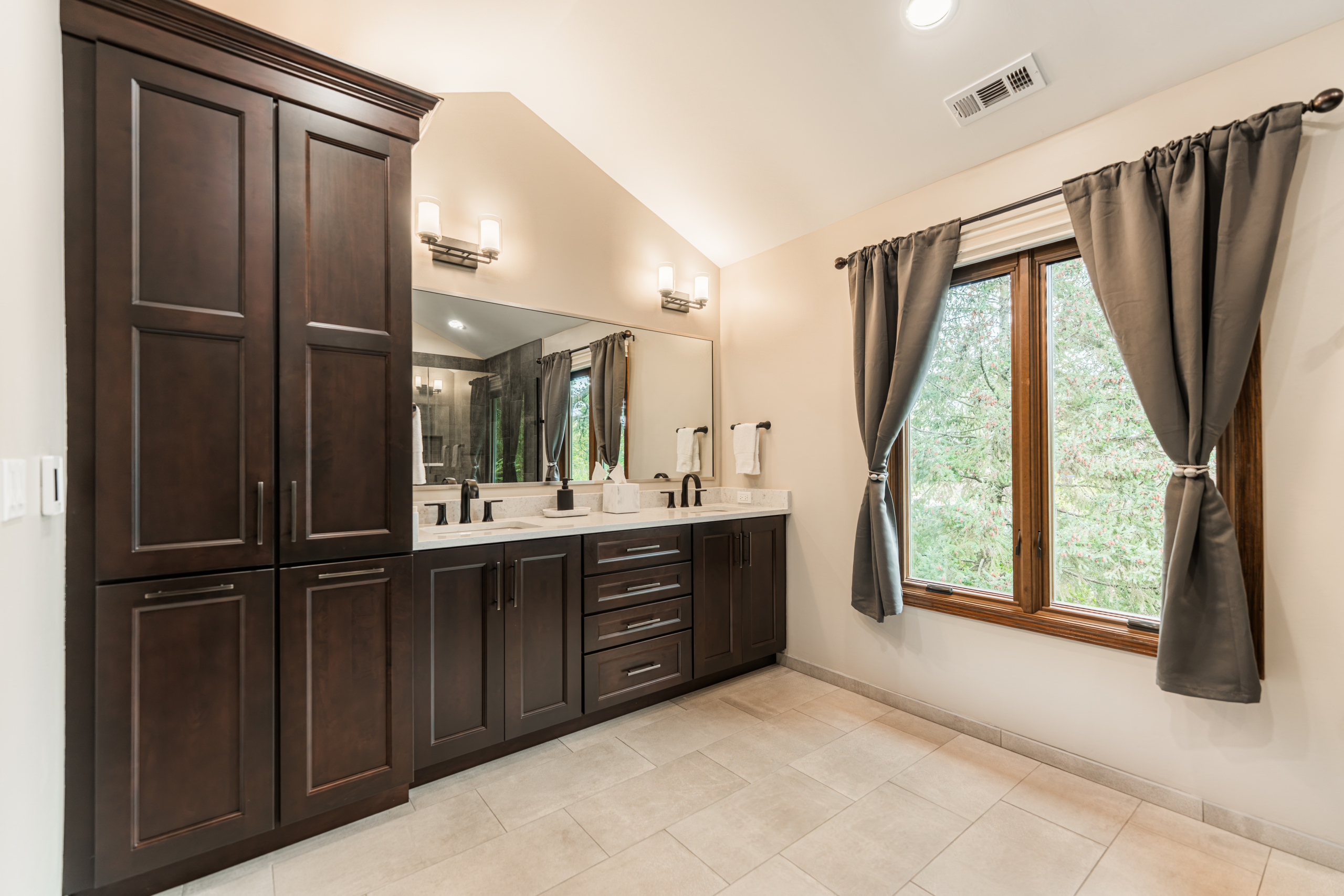
Ceramic tile offers adequate water resistance for many interior applications, but it is better suited for areas with limited exposure to moisture. Backsplashes, powder rooms, and accent walls are all appropriate uses.
Selecting the right material for the environment ensures both longevity and peace of mind.
Cost Comparison: Porcelain vs. Ceramic Tile
Cost is often part of the conversation, though it is rarely the only factor for discerning homeowners.
Ceramic tile generally comes with a lower upfront investment and can be less expensive to install due to its workability. This makes it a practical choice for secondary spaces or design-focused features.
Porcelain tile carries a higher initial cost, reflecting its durability and manufacturing process. Installation also requires a higher level of precision and expertise.
However, when viewed over the lifespan of the space, porcelain often delivers greater value. Its durability and low maintenance requirements can reduce the need for repairs or replacement, making it a more strategic investment in the long run.
How to Choose the Right Tile for Your Home
Choosing between porcelain and ceramic tile ultimately comes down to how the space will be used and the level of performance you expect.
Porcelain is the preferred option for high-traffic areas, moisture-prone environments, and spaces where longevity is a priority. It supports a refined, enduring design that holds up to everyday life.
Ceramic can be an excellent choice for decorative applications, lower-traffic areas, or spaces where budget flexibility is needed without sacrificing style.
In many thoughtfully designed homes, both materials are used together. Porcelain may be selected for flooring and primary surfaces, while ceramic enhances walls or accent features. This layered approach allows for both performance and visual interest.
Bringing It All Together
Tile selection is about more than comparing materials. It is about creating a space that feels cohesive, performs beautifully, and reflects your standards for quality.
At Bradford & Kent, we guide homeowners through every step of this process. From the initial in-home consultation to reviewing full-scale samples in our design center, our team ensures that each selection aligns with your vision and the way you live.
If you are considering a renovation and want expert guidance on selecting the right tile for your home, we invite you to connect with our team. Together, we can create a space that is as functional as it is refined.