Choosing new siding involves more than picking a color or profile. The material you select affects maintenance, durability, energy performance, and the overall appearance of your home for years to come. James Hardie fiber cement siding and LP SmartSide engineered wood siding are two of the most popular products on the market, each offering distinct strengths for different homes and priorities.
For homeowners in the Chicago area, seasonal temperature swings, heavy rain, snow, and humidity all influence long-term siding performance. James Hardie and LP SmartSide each respond differently to moisture, impact, maintenance, and installation, making it important to understand how those differences fit your home and your renovation goals before making a final decision.
What’s the Difference Between James Hardie and LP SmartSide?
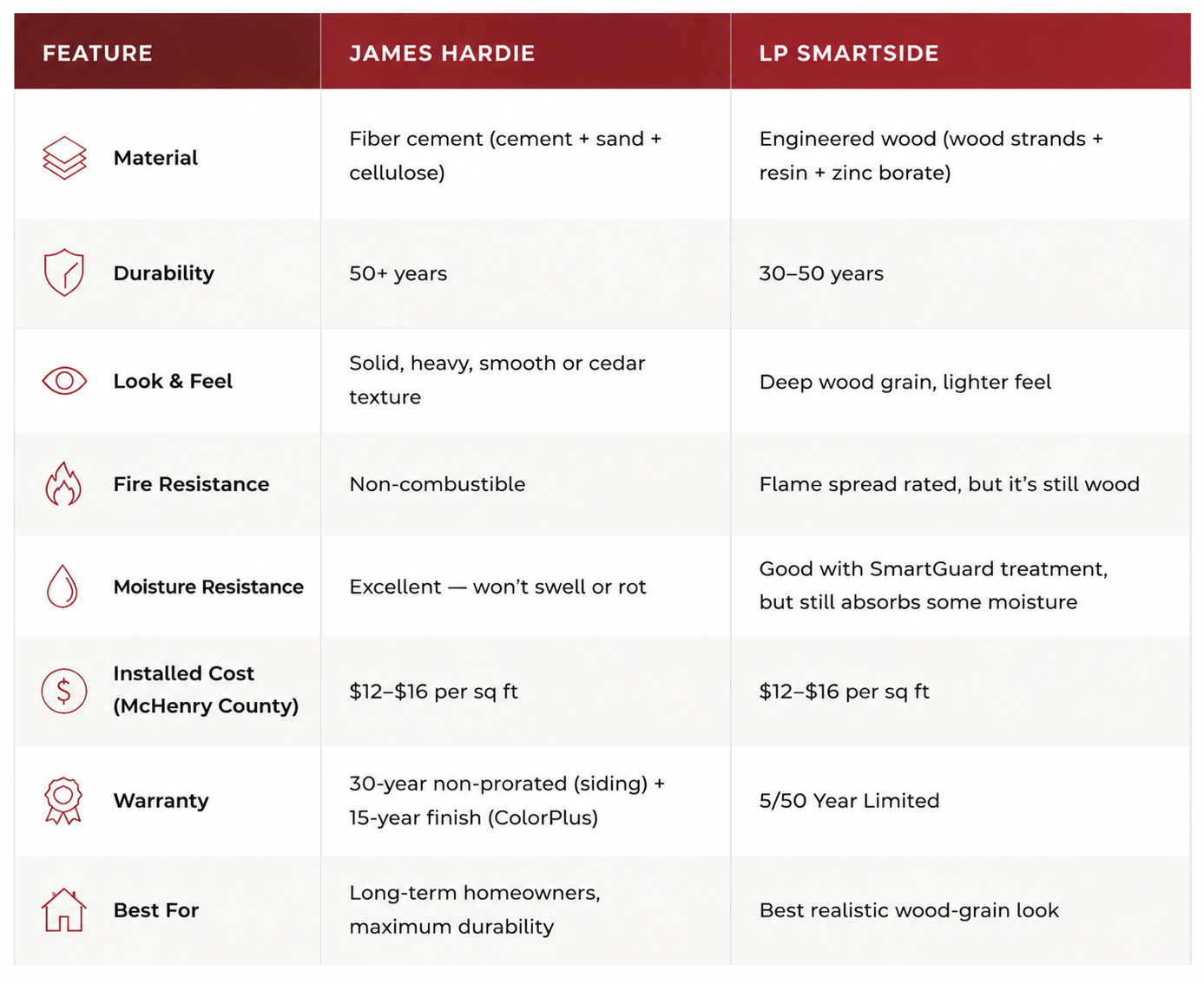
The biggest difference between James Hardie and LP SmartSide comes down to the material itself. James Hardie siding is made from fiber cement, a blend of cement, sand, cellulose fibers, and water. This composition creates a dense, durable product that stands up well to moisture, fire, and harsh weather. LP SmartSide is manufactured from engineered wood that is treated with proprietary resins, waxes, and zinc borate to improve resistance to moisture, fungal decay, and termites while maintaining the appearance of real wood.
Those material differences influence everything from installation to long-term maintenance. Fiber cement is heavier and typically requires specialized installation techniques and tools. Engineered wood is lighter, making it easier to handle and, in some cases, allowing for faster installation. Both products are available in a variety of styles, including lap siding, panels, shakes, and trim, giving homeowners flexibility to match traditional, contemporary, and craftsman-inspired homes.
Neither product is the right choice for every project. The better option depends on factors such as your home’s architecture, your maintenance preferences, your budget, and the conditions your exterior experiences throughout the year. Working with an experienced remodeling contractor can help you weigh those considerations and select a siding system that aligns with your long-term goals.
James Hardie vs. LP SmartSide: Comparison Chart
Durability and Weather Performance in Chicagoland
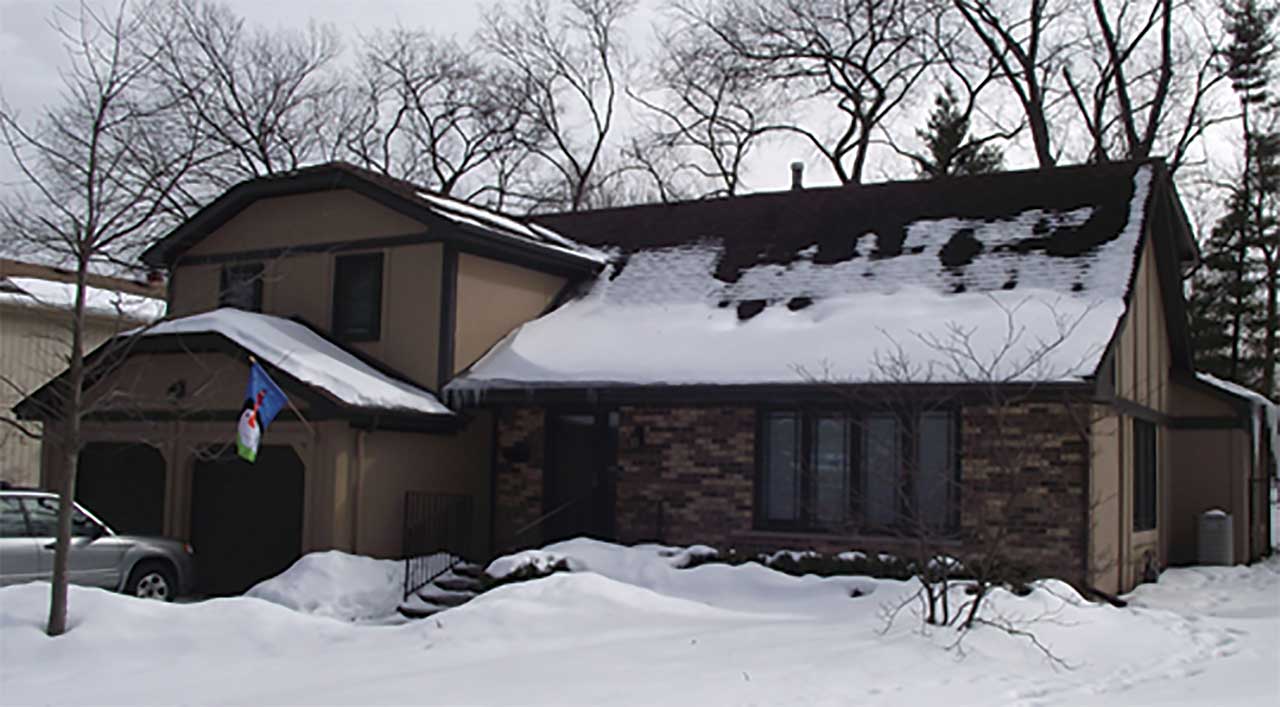
Siding in the Chicago area has to perform through freezing winters, humid summers, heavy rain, hail, and repeated freeze-thaw cycles. Those changing conditions can affect how exterior materials expand, contract, and stand up to years of exposure, making durability an important part of the decision.
James Hardie fiber cement siding is well known for its resistance to moisture, rot, and fire. It performs exceptionally well in areas that experience frequent precipitation and temperature fluctuations. Its dense composition helps it maintain its shape over time, though a significant impact from large hail or a falling branch can cause cracking.
LP SmartSide takes a different approach. The engineered wood construction offers greater flexibility, making it more resistant to impact than fiber cement in many situations. Protective treatments help defend against moisture, fungal decay, and termites, while the lighter material is less prone to cracking from sudden impacts.
Both siding products are built for long-term performance, but proper installation plays a major role in how they hold up over time. Flashing, moisture management, and careful attention to installation details all contribute to a siding system that performs reliably through years of changing Midwest weather.
Which Siding Looks Better? Curb Appeal and Design Options
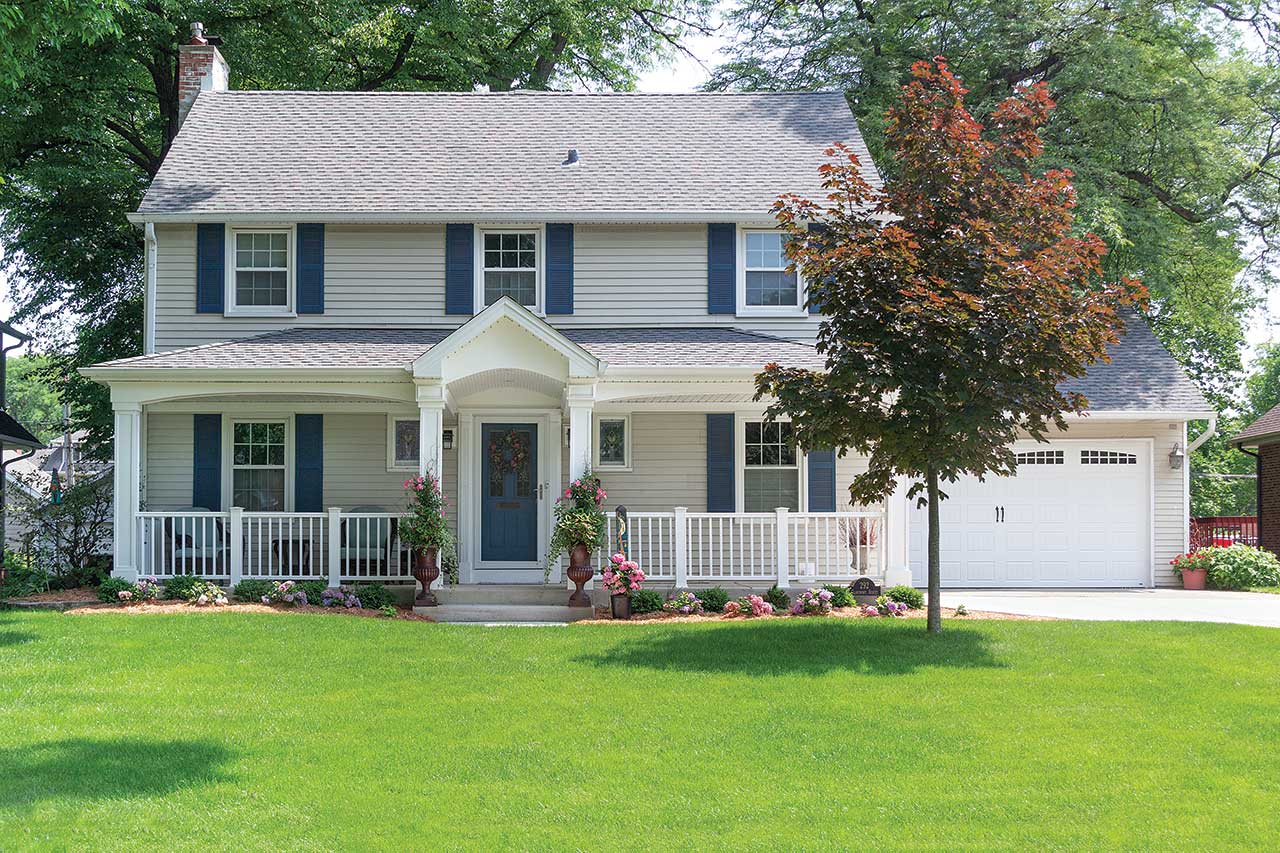
Appearance often comes down to personal preference and the style of your home. Both James Hardie and LP SmartSide are available in a wide range of colors, profiles, and trim options, making them suitable for everything from historic homes to contemporary designs.
James Hardie is known for its crisp lines and consistent finish, making it a popular choice for traditional, colonial, farmhouse, and modern homes. Many products are available with ColorPlus® Technology, a factory-applied finish designed to resist fading over time.
LP SmartSide features a deeper wood-grain texture that appeals to homeowners who prefer a more natural appearance. It complements craftsman-inspired homes and other designs that incorporate textured architectural details, while offering the flexibility to be painted in a wide range of colors.
If your priority is a clean, refined look, James Hardie may be the better fit. If you prefer the warmth and character of wood, LP SmartSide may align more closely with your design goals.
Cost, Maintenance, and Long-Term Value
James Hardie and LP SmartSide are both premium siding products, but their long-term costs can differ. Fiber cement typically carries a higher installation cost because of its weight and specialized installation requirements. LP SmartSide is lighter, which can reduce labor costs on some projects. Both products require periodic cleaning and repainting over time, though maintenance schedules vary depending on exposure and finish. Looking beyond the initial price and considering expected maintenance, longevity, and installation costs can provide a more accurate picture of each product’s overall value.
Start Your Exterior Remodeling Project Today
James Hardie and LP SmartSide are both excellent siding options, and the right choice depends on your home’s style, performance priorities, and budget. Comparing samples, discussing your goals, and reviewing the advantages of each product can help you make a confident investment.
If you’re planning an exterior renovation, Bradford & Kent can help you select the siding that best fits your home. Contact our team today to schedule a free consultation and start planning your exterior remodeling project