When homeowners begin planning a remodel, one of the first decisions they face is not cabinet colors or flooring materials. It is deciding how the project will actually be managed. Should you hire a designer first and then bring in a contractor? Or should you work with a design-build remodeling firm that handles everything under one roof?
For homeowners across Chicagoland, especially in DuPage County communities like Naperville, Hinsdale, and Downers Grove, that decision can have a major impact on budget, timeline, communication, and overall stress level.
Understanding the difference between traditional remodeling and design-build remodeling can help you choose the approach that best fits your home and your goals.
What Is the Traditional Remodeling Process?
In a traditional remodeling model, the design and construction phases are handled separately. Typically, homeowners hire an architect or designer first to create plans and drawings. Once the design is complete, they solicit bids from general contractors who will execute the work.
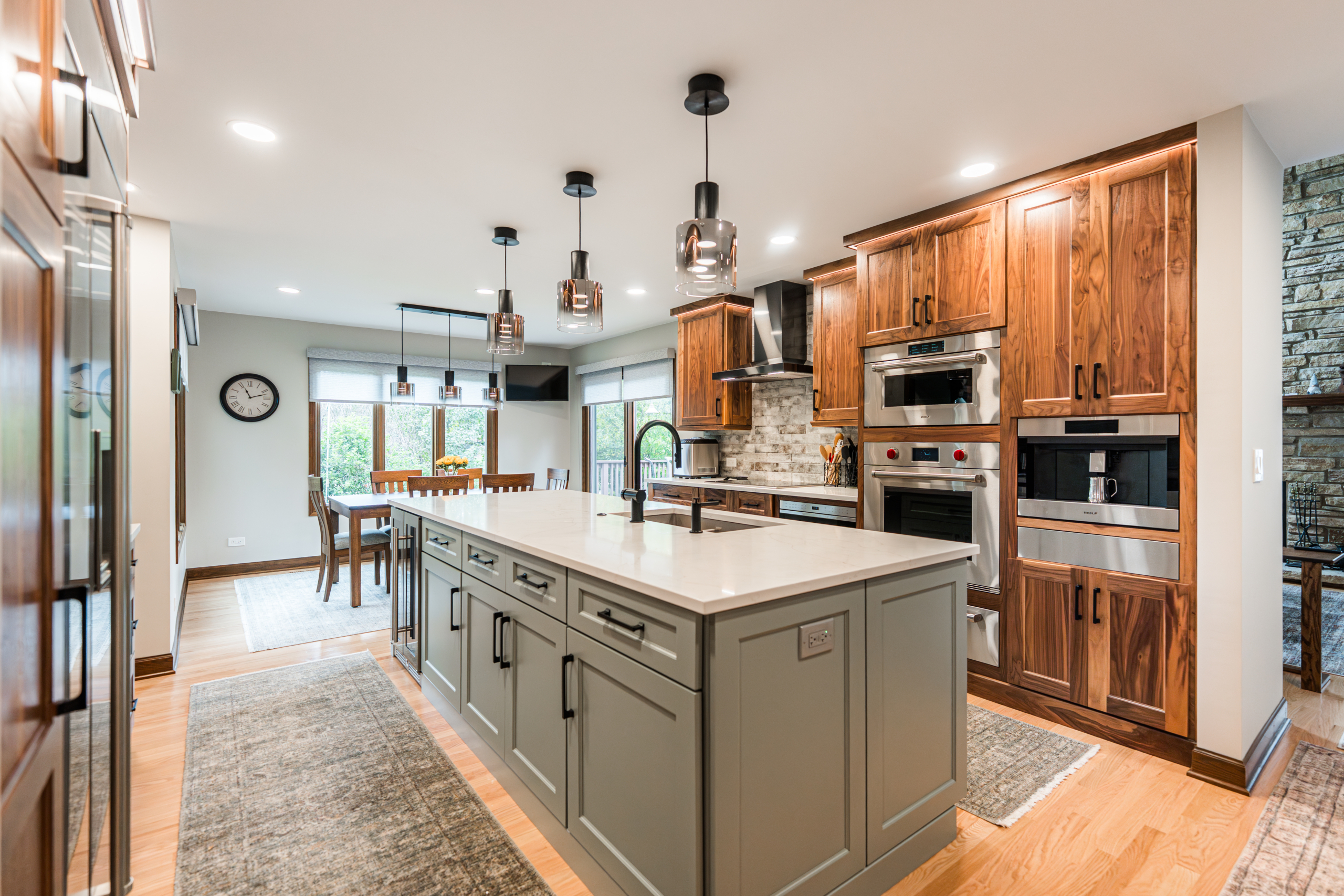
At first glance, this process may seem straightforward. However, it often creates several layers of complexity.
Because the designer and contractor work independently, communication gaps can emerge during construction. A contractor may discover that certain design elements are difficult or expensive to build in practice. In older homes throughout the western suburbs, especially 1960s and 1970s split-levels and ranch homes, hidden structural conditions are common once walls are opened. When the design team and contractor are separate entities, resolving those issues can quickly lead to delays, redesign costs, and frustration.
The traditional approach also means homeowners are often managing multiple contracts, coordinating conversations between separate companies, and serving as the middleman when problems arise.
Common pain points in traditional remodeling include:
- Conflicting priorities between designer and contractor
- Budget surprises after construction begins
- Delays caused by redesigns or subcontractor scheduling conflicts
- Unclear accountability when issues arise
- Longer overall project timelines
While some projects can succeed under this model, it often requires significant homeowner involvement to keep everything aligned.
What Is Design-Build Remodeling?
Design-build remodeling combines design, architecture, engineering, selections, and construction management into one integrated process under a single company.
Instead of hiring separate professionals, homeowners work with one unified team from concept through construction.
At Bradford & Kent, the design-build process begins with an in-home consultation to understand your vision, lifestyle, budget, and goals. From there, your designer develops plans and 3D renderings while collaborating directly with the construction and architectural teams behind the scenes.
Because everyone is working together from the beginning, decisions are made with both aesthetics and construction realities in mind. That collaboration helps prevent costly surprises later in the project.
This integrated approach becomes especially valuable in Chicagoland remodeling projects where permitting, weather, and aging housing stock can complicate timelines. Municipal approval processes in towns like Hinsdale, Naperville, and Downers Grove can vary significantly, and experienced design-build teams understand how to navigate those requirements efficiently.
Rather than coordinating multiple companies yourself, you have one point of accountability throughout the project.
Design-Build vs Traditional: A Side-by-Side Comparison
When comparing design-build vs traditional remodeling, the biggest differences come down to communication, accountability, efficiency, and cost control. The table below summarizes how the two approaches compare across the areas that matter most to homeowners.
|
Category |
Traditional Remodeling
|
Design-Build Remodeling |
|---|---|---|
| Project Management | Homeowner often coordinates between designer, architect, and contractor | One unified team manages the entire project |
| Contracts | Multiple contracts with separate companies | Single contract and streamlined communication |
| Budget Planning | Construction costs may not be finalized until bidding phase | Budget and design evolve together from the start |
| Communication | Information can get lost between separate teams | Designers and builders collaborate continuously |
| Timeline | Sequential process often extends timelines | Overlapping phases improve efficiency |
| Problem Solving | Responsibility may shift between parties | One company remains accountable |
| Change Orders | More common when construction conflicts with design | Reduced through early collaboration |
| Permitting & Local Codes | Responsibility may vary by contractor | Centralized oversight from one experienced team |
| Homeowner Experience | Requires more coordination from homeowner | Simplified and guided process |
This difference becomes even more important during complex renovations.
For example, many homes in DuPage County were built decades ago and may contain outdated electrical systems, hidden plumbing issues, or structural modifications from previous remodels. In a traditional setup, uncovering these issues can trigger disputes between the designer and contractor about who is responsible for redesigns or additional costs.
In a design-build environment, the same team that designed the project is responsible for executing it. That continuity creates faster decision-making and more proactive solutions.
Why Design-Build Works Especially Well in the Chicago Suburbs
Remodeling in the Chicago suburbs comes with challenges that make coordination especially important.
First, there are municipal permitting requirements. Every town has its own review timelines, inspection standards, and zoning considerations. Naperville, Hinsdale, and Downers Grove all have different approval processes, and delays in permitting can easily affect project schedules if documentation is incomplete or communication breaks down.
Second, Midwest weather adds another layer of complexity. Exterior work must account for winter conditions, spring rain, and fluctuating temperatures that can affect scheduling and material installation. A disconnected project team can struggle to adapt quickly when timelines shift.
Third, many homes throughout the western suburbs are older properties that require thoughtful planning. Split-levels, ranch homes, and traditional two-story homes built between the 1960s and 1980s often need structural updates to support modern open floor plans, expanded kitchens, or luxury primary suites.
These are exactly the types of projects where design-build remodeling shines.
With architecture, engineering, selections, and construction all coordinated under one roof, homeowners benefit from faster problem solving and clearer communication throughout the process. Instead of waiting for separate companies to align on next steps, decisions can happen quickly and collaboratively.
For homeowners balancing busy schedules, that streamlined experience can make a major difference.
Is Design-Build Right for Your Home?
Design-build remodeling is often the best fit for homeowners planning:
- Whole-home renovations
- Major kitchen remodels
- Home additions
- First-floor reconfigurations
- Luxury bathroom remodels
- Aging-in-place renovations
- Complex structural updates
It is particularly valuable when the project involves multiple moving parts, detailed selections, or potential unknowns behind existing walls.
That said, every homeowner approaches remodeling differently. Some people prefer managing separate vendors and coordinating the process themselves. Others want a more guided experience with a single trusted partner overseeing the project from start to finish.
The right choice depends on your priorities, timeline, and comfort level managing complexity.
Start Your Project with Bradford & Kent
At Bradford & Kent, we believe remodeling should feel organized, collaborative, and transparent from the very beginning. Our design-build process brings designers, architects, engineers, selection coordinators, and construction professionals together as one team to simplify every stage of your project.
For homeowners across Chicagoland and DuPage County, that integrated approach helps reduce stress while creating homes that are both beautiful and functional.
If you are beginning to explore your remodeling options, we invite you to learn more about our design-build services or schedule a free consultation with our team. We are here to help you navigate the process with clarity and confidence.