When planning a kitchen remodel, cabinet style is one of the most important decisions you will make. It affects not only how your kitchen looks, but also how it functions and how much your project will cost. Two of the most popular options in high-end kitchen design are inset cabinets and full overlay cabinets. Understanding the differences between these styles helps homeowners make confident, informed choices.
In this guide, we will break down inset vs overlay cabinets in a clear, practical way. By the end, you will have a better understanding of how each option impacts design, budget, and daily use so you can choose what works best for your home and lifestyle.
Inset vs Full Overlay Cabinets: Key Differences
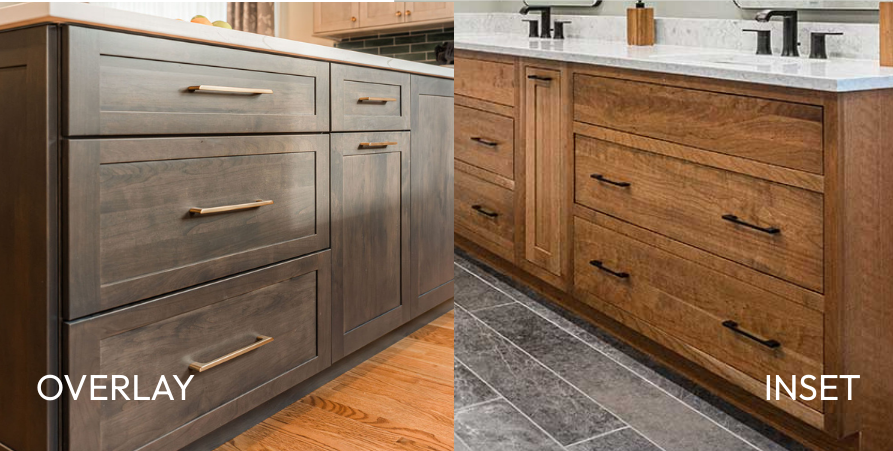
The primary difference between inset and full overlay cabinets is how the cabinet doors and drawers sit in relation to the cabinet frame.
Inset cabinets are built so the doors and drawers sit flush inside the cabinet frame. When closed, the face frame remains fully visible around each door. This requires precise craftsmanship and careful installation to ensure consistent spacing and smooth operation.
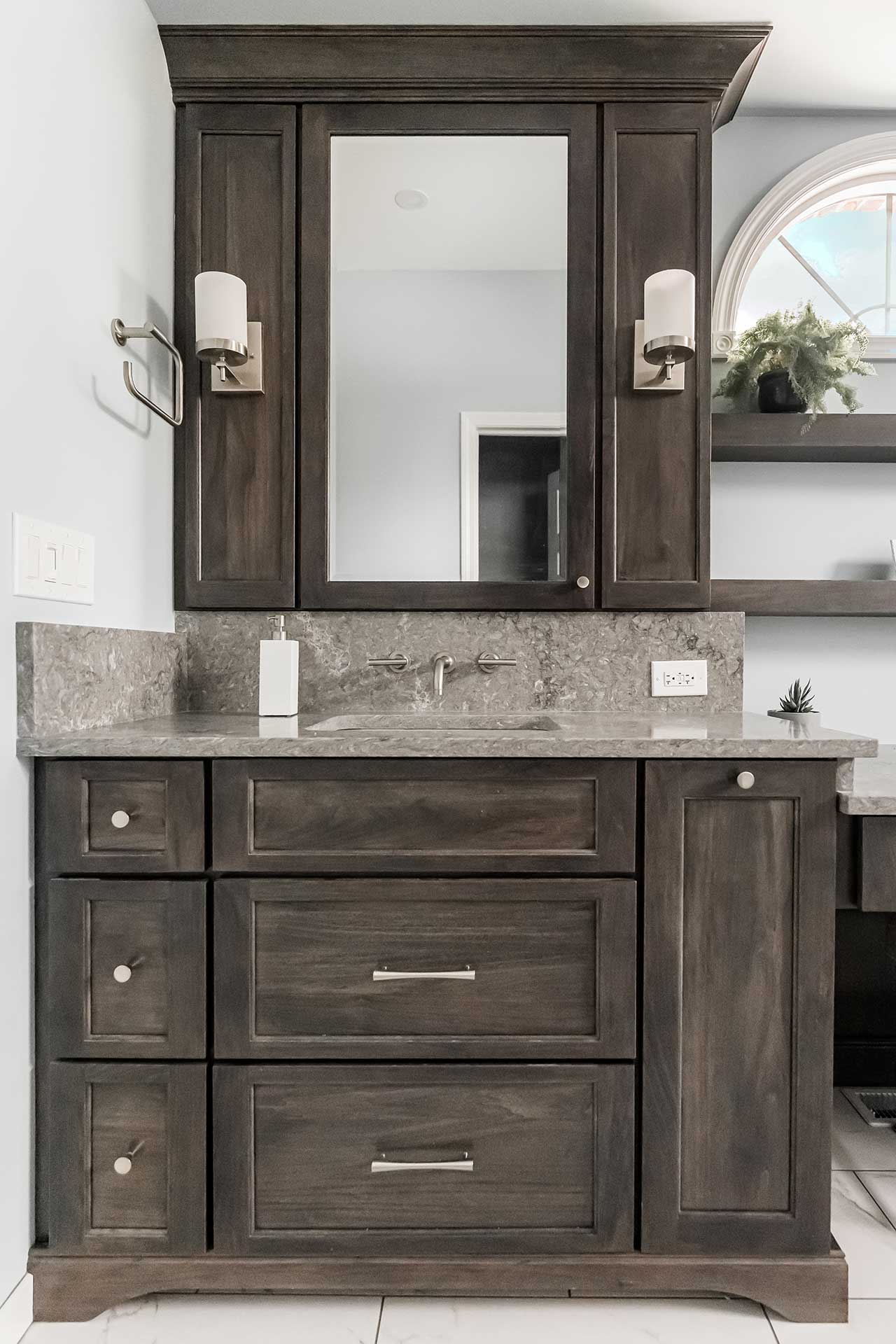
Full overlay cabinets feature doors and drawers that sit on top of the cabinet frame and cover most or all of it. The frame is largely hidden, creating a more continuous and streamlined appearance across the cabinetry.While both options can be used in traditional or modern kitchens, their construction methods, visual impact, and cost structures are very different.
Inset and Full Overlay Cabinets: Design & Style
From a design perspective, inset cabinets are often associated with classic, tailored interiors. They are commonly seen in traditional, transitional, and European-inspired kitchens. Because the doors sit within the frame, inset cabinetry creates a furniture-like appearance that feels refined and intentional. Details such as exposed hinges and precise reveals become part of the overall design.
Full overlay cabinets tend to feel more contemporary and seamless. With minimal frame showing, the cabinetry reads as a continuous surface. This makes full overlay a popular choice for modern, transitional, and minimalist kitchens, though it can work just as well in classic designs depending on door style and finish.
Both inset and full overlay cabinets can be customized with a wide range of door profiles, finishes, and hardware. The difference lies in how structured or streamlined you want the kitchen to feel.
Cost Differences Between Inset and Full Overlay Cabinets
Cost is an important factor when comparing inset vs overlay cabinets. In general, inset cabinets are more expensive than full overlay cabinets.
Inset cabinetry requires tighter tolerances, more labor, and a higher level of craftsmanship. Doors must be perfectly sized and aligned within the frame, and installation takes more time. These factors increase both material and labor costs.
Full overlay cabinets are typically more cost-effective. The construction is more forgiving, installation is faster, and there is less customization required at the cabinet box level. This makes full overlay a practical option for homeowners who want a high-end look while maintaining better budget control.
While cabinet cost is only one part of a kitchen remodel, the style you choose can have a noticeable impact on overall investment.
Pros and Cons of Inset Cabinets
Inset cabinets offer a distinctive look, but they are not the right choice for every homeowner.
Pros of inset cabinets include:
- Timeless, furniture-style appearance
- Clean, tailored lines that elevate traditional and transitional kitchens
- High-end craftsmanship and attention to detail
- Exposed hinges and design details add character
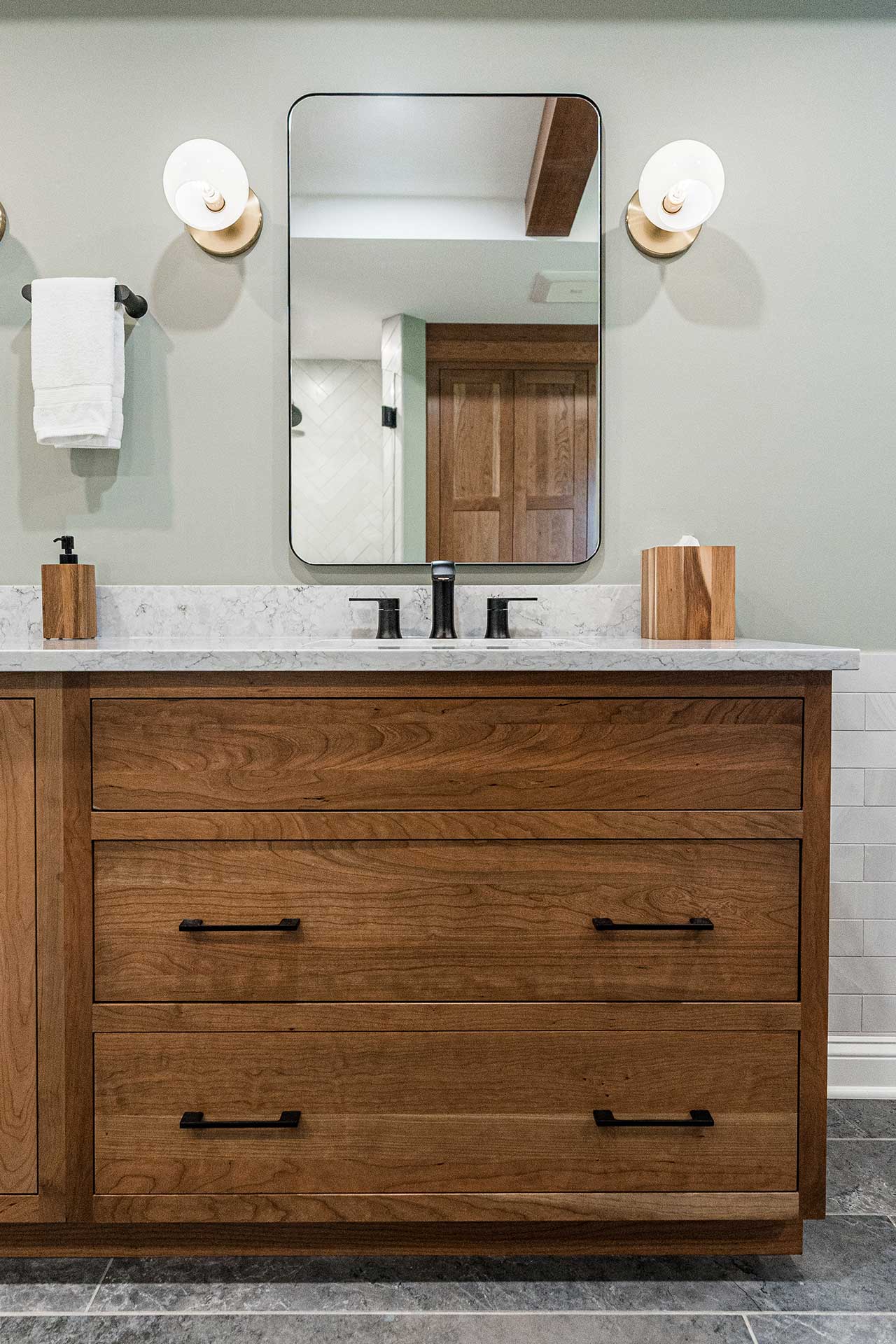
Cons of inset cabinets include:
- Higher cost due to labor and precision requirements
- Slightly reduced interior storage space
- Doors and drawers may be more sensitive to seasonal expansion and contraction
- Longer lead times for manufacturing and installation
Inset cabinetry is often chosen by homeowners who value craftsmanship and classic design and are comfortable with the added investment.
Pros and Cons of Full Overlay Cabinets
Full overlay cabinets are versatile and widely used in both modern and classic kitchens.
Pros of full overlay cabinets include:
- Sleek, cohesive appearance with minimal frame visibility
- More interior storage space compared to inset cabinetry
- Typically more affordable than inset cabinets
- Greater flexibility in door sizes and layouts
Cons of full overlay cabinets include:
- Less emphasis on fine reveals and cabinetry details
- May feel less traditional in certain architectural styles
- Hardware placement and alignment become more visually prominent
For many homeowners, full overlay cabinets strike an ideal balance between design flexibility, functionality, and cost.
Which Is Right for You
Choosing between inset and full overlay cabinets comes down to your priorities. There is no universal right or wrong option, only what works best for your kitchen and lifestyle.
Inset cabinets may be the right fit if you are drawn to classic design, appreciate fine craftsmanship, and are comfortable investing more for a tailored look. They work especially well in homes with traditional architecture or in kitchens where cabinetry is a focal point.
Full overlay cabinets are often ideal for homeowners who want a clean, updated aesthetic with maximum storage and efficiency. They are well-suited for modern living and offer excellent design flexibility at a more accessible price point.
During a design consultation, a professional designer can help you evaluate how inset vs overlay cabinets will look and function in your specific space. At Bradford & Kent, we guide homeowners through these decisions by considering layout, lifestyle, budget, and long-term goals. The result is a kitchen that not only looks beautiful, but works seamlessly for the way you live.